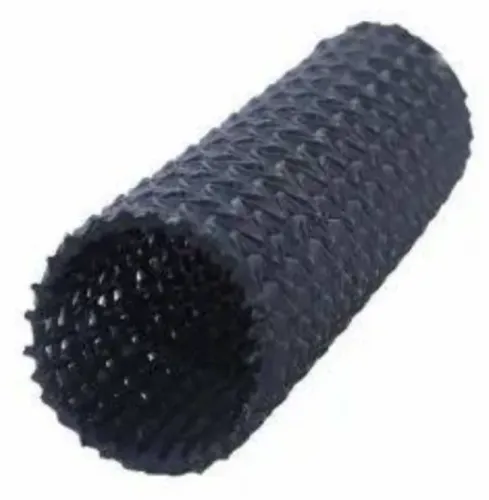
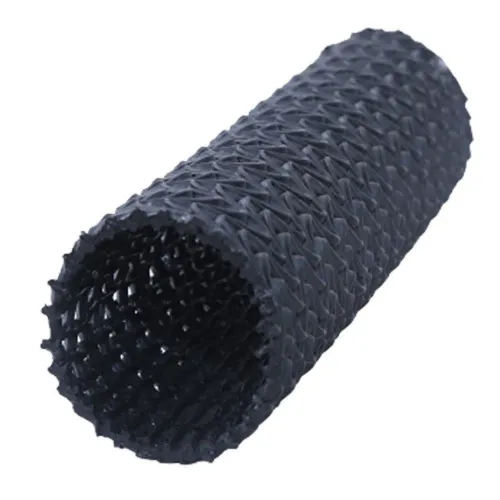
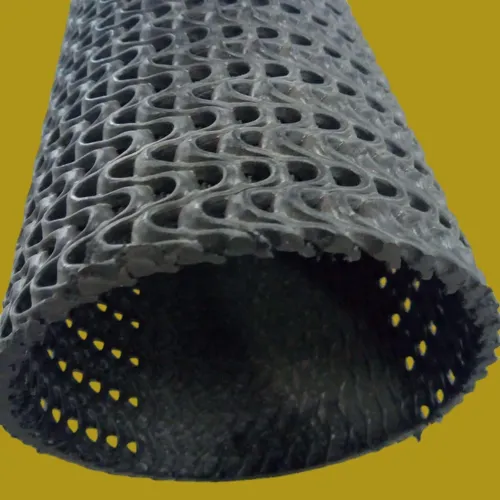
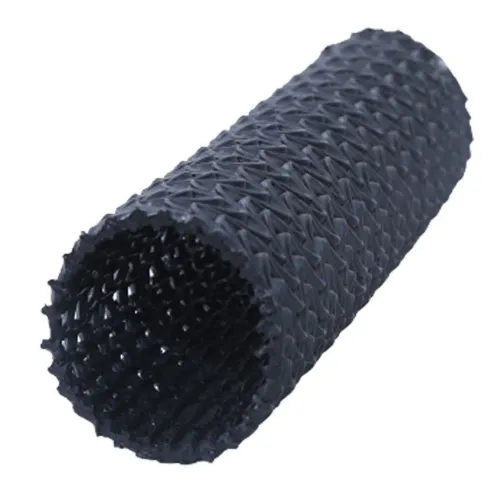
🧱 What is an HDPE Perforated Pipe?
HDPE (High-Density Polyethylene) perforated pipe is a lightweight, flexible, and durable pipe with small holes or slots along its surface. These perforations allow water to enter or exit the pipe, making it ideal for drainage and subsurface water management applications.
⚙️ Key Features
Material: High-Density Polyethylene (HDPE)
Perforations: Round holes or slotted openings (pattern and size depend on the application)
Length: Commonly 6 m or 12 m sections (can be coiled for smaller diameters)
Diameter Range: Typically 63 mm to 1000 mm
Connection: Butt fusion, electrofusion, or push-fit joints
💧 Common Applications
Subsurface Drainage: Agricultural fields, sports grounds, and golf courses
Stormwater Management: Retaining and channeling runoff
Leach Fields: In septic systems for wastewater dispersion
Road and Railway Drainage: Preventing water accumulation
Landscaping and Green Roofs: For controlled water drainage
🧩 Advantages
Corrosion and chemical resistant
Flexible and easy to install
Long service life (typically >50 years)
Lightweight for transportation and handling
Resistant to cracking and root intrusion

Bengaluru
08042781646
+917406555511
 Chat with us
 Chat with us