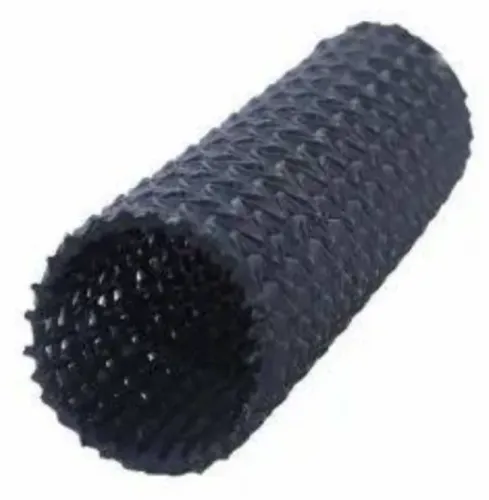
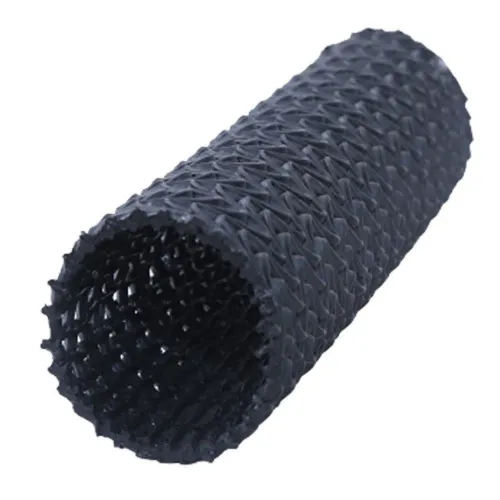
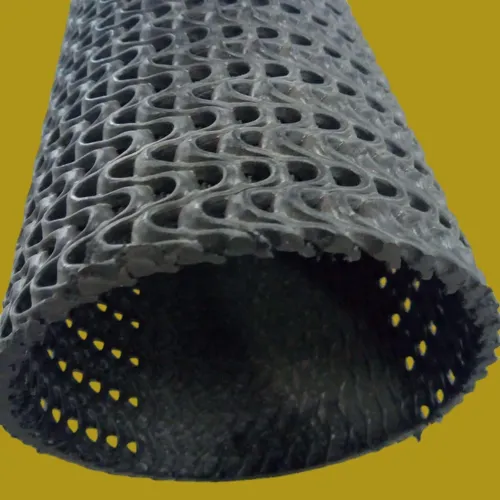
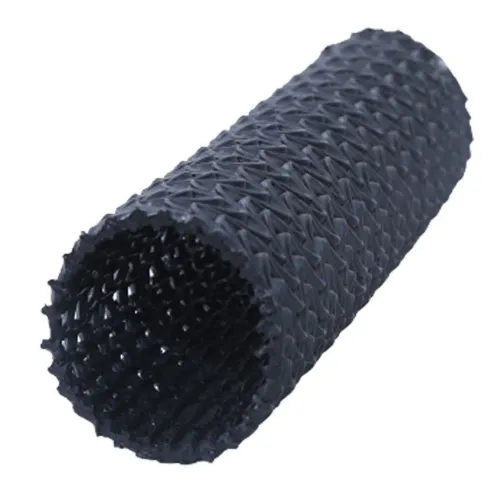
PVC perforated pipes are polyvinyl chloride (PVC) pipes that have small holes or slots along their length. These perforations allow water (or other fluids) to enter or exit the pipe, depending on the application. They’re lightweight, corrosion-resistant, and easy to install — making them a popular choice for drainage and filtration systems.
Here’s a detailed overview 👇
🧱 What Are PVC Perforated Pipes?
PVC perforated pipes are made from rigid PVC material and are drilled or slotted with openings.
Solid sections: carry fluid.
Perforated sections: allow fluid exchange with the surrounding soil or medium.
⚙️ Key Specifications
Material: uPVC (unplasticized PVC) or CPVC (chlorinated PVC)
Diameter range: 20 mm – 400 mm (commonly)
Length: Usually 3 or 6 meters
Perforation types:
Round holes (typically 5–10 mm diameter)
Slotted holes (1–3 mm wide, spaced evenly)
Standard colors: White, grey, or black (UV-stabilized)
💧 Common Applications
Subsurface Drainage Systems
Used for removing excess groundwater around buildings, roads, and agricultural fields.
Leach Beds / Septic Systems
Distribute effluent into the soil evenly.
Groundwater Recharge / Rainwater Harvesting
Help in infiltration of surface water back into aquifers.
Landfill Drainage
Collect leachate from waste layers.
Irrigation Systems
Used for slow release of water in agricultural fields.
✅ Advantages
Lightweight → easy to transport and install
Non-corrosive → long service life
Smooth inner surface → high flow efficiency
Cost-effective compared to metal or HDPE alternatives
Customizable perforation pattern
⚠️ Installation Tips
Wrap with geo-textile fabric to prevent clogging by soil.
Ensure correct gradient (slope) for drainage flow.
Use proper couplers or solvent cement joints for leak-proof connections.

Bengaluru
08042781646
+917406555511
 Chat with us
 Chat with us