It sounds like you’re referring to a subsoil pipe — sometimes called subsoil drainage or a subsurface drain. Here’s a quick explanation:
💧 What Is a Subsoil Pipe?
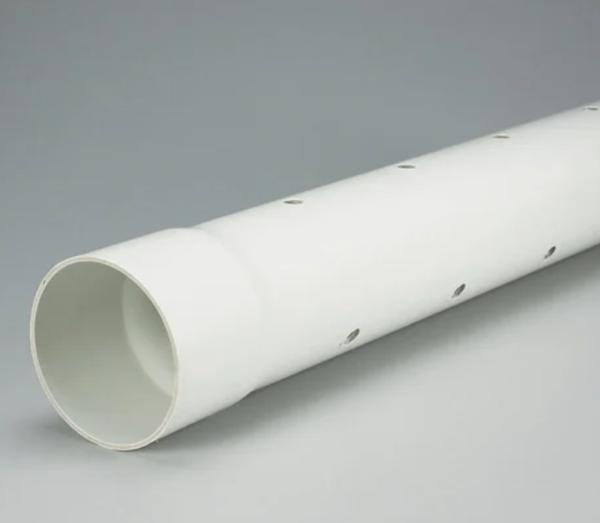
A subsoil pipe is a perforated drainage pipe installed below the surface of the ground to collect and redirect excess groundwater away from an area. It helps improve soil structure and prevent waterlogging.
⚙️ Common Uses
Agriculture: Keeps root zones from becoming saturated.
Construction: Prevents foundation damage or instability from groundwater buildup.
Landscaping: Helps dry out soggy lawns or gardens.
Roads and sports fields: Maintains proper drainage and stability.
🧱 Typical Design
Material: Usually PVC or HDPE (high-density polyethylene).
Perforations: Small holes or slots along the length to allow water entry.
Gravel bedding: Surrounding the pipe with gravel or aggregate improves drainage and prevents clogging.
Geotextile fabric: Sometimes wrapped around the pipe or gravel to keep out fine soil particles.
📐 Installation Notes
Trench depth and slope: Usually laid with a gentle fall (about 1–2%) toward an outlet.
Outlet: Connects to a stormwater drain, soakaway pit, or natural watercourse.
Inspection points: Access points may be added for maintenance.

Bengaluru
08042781646
+917406555511
 Chat with us
 Chat with us